.avif)
The New Casting Reel Standards: What 2025’s Casting Directors Expect in Every Demo Reel

As the industry continues to evolve, casting directors have become more selective about the types of demo reels they find most useful. Reels are no longer long compilations of scattered footage — they are concise, polished snapshots of an actor’s on-camera ability. While individual directors and producers may occasionally review reels later in the process, the primary audience for demo reels remains casting teams, who rely on them to get a quick, accurate sense of an actor’s presence and professionalism.
In 2025, the trend is toward reels that highlight an actor’s strongest, most relevant moments, presented with clarity and intention. This guide breaks down the key standards casting professionals look for today and offers insight into how actors can shape reels that effectively represent their work.
Length and Structure That Supports Faster Review
Revised casting reel standards accentuate brevity. Generally, casting directors prefer demo reels between 60 to 90 seconds. For actors, this means being comparably selective of only the best work sample they can present.
Place the most powerful scene at the beginning of every demo reel. Directors generally determine in the first 30 seconds of viewing the tape whether they will continue to watch or not. Therefore, start with the strongest work to entice them.
Actors should avoid mixing different tonalities in a single demo reel. Comedy, drama, and commercial footage each serve different purposes and should be presented in separate reels or individual clips so casting directors can immediately access what’s most relevant to their project.
A drama reel should focus solely on grounded, emotional, or high-stakes material.
A comedy reel should highlight timing, personality, and lighter beats.
Commercial material should remain separate entirely, since it serves a different market and is evaluated differently.
Each clip should be unique—no repeated footage—and should showcase the actor clearly and professionally without forcing unrelated genres together
Presenting Authentic Performances That Reflect Current Ability
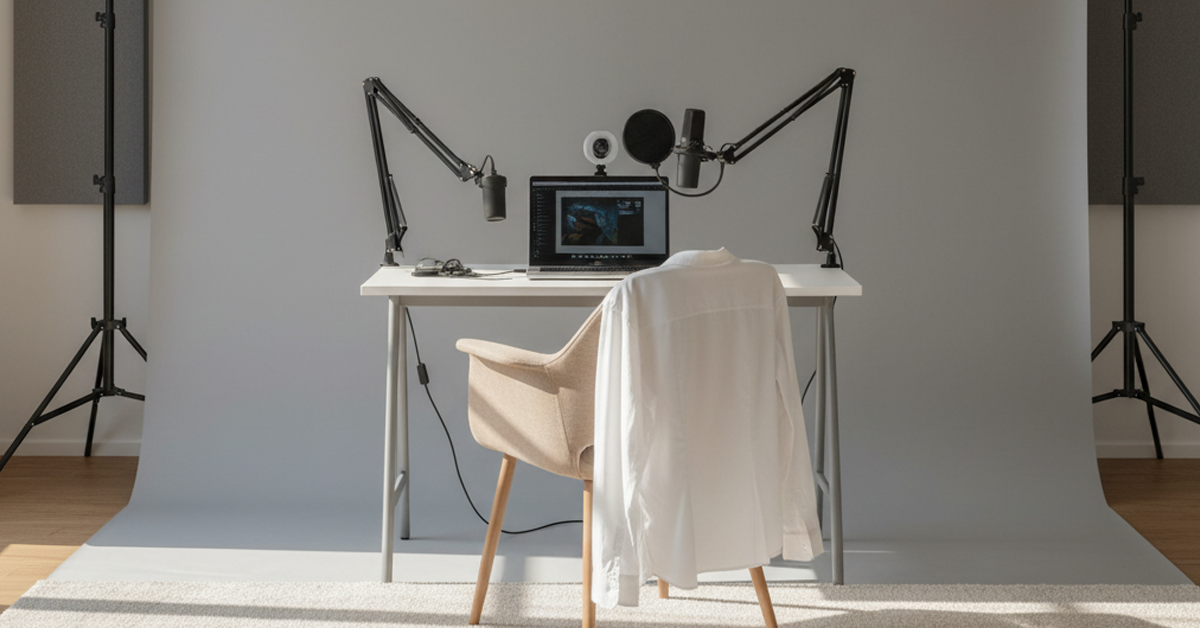
While not every actor has the opportunity to shoot high-budget footage, it is vital that the lighting, professional sound, and clarity of the overall frame are all professional. If a scene or composition is poorly lit or pixelated and blurry, an actor's overall desirability as a performer can drop. Most actor reel tips will emphasize a preference for lighting and sound over adding overdone effects and transitions.
Authenticity is essential. Demo reels should feature clips where the actor is clearly visible, grounded, and driving the moment without distractions, excessive edits, or scenes where they’re barely present. Casting directors want to see truthful, connected work that highlights the actor’s strengths.
Actors should update their reels or clips as their career evolves, replacing older material with stronger, more representative footage. The goal is always to present a clean, current snapshot of who you are as a performer today.
Organizing and Presenting Self-Tape Material Professionally
Self-tapes have become a major part of an actor’s portfolio, and casting directors are increasingly open to seeing strong self-taped moments included in a reel—as long as the material is clear, well-lit, and showcases truthful performance. These clips don’t need to look like full productions; they simply need to be clean, professional, and easy to watch.
Actors can use selected self-tape moments as individual clips or as part of a broader reel when the material truly highlights their strengths. AstraLynk helps actors organize, manage, and present these clips professionally so casting teams can quickly access the work that represents you best.
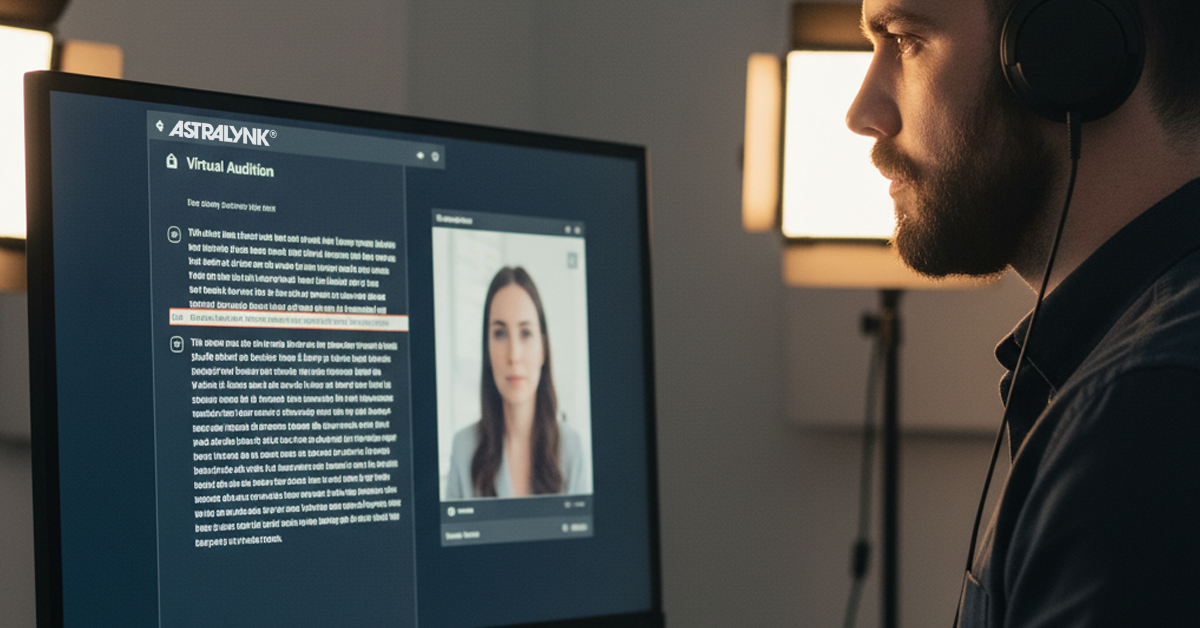
In today’s digital casting environment, where many auditions occur remotely, self-taped video material has become an essential part of the audition process. Strong, well-presented self-tapes and polished demo reels help casting directors quickly understand an actor’s on-camera presence and suitability for a role.
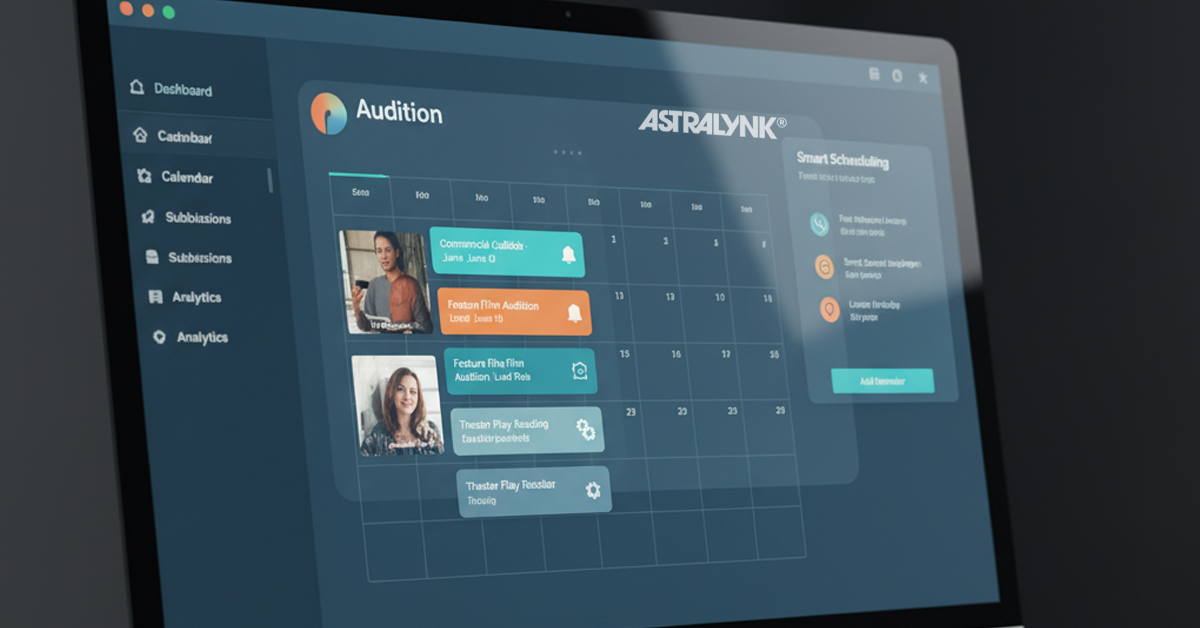
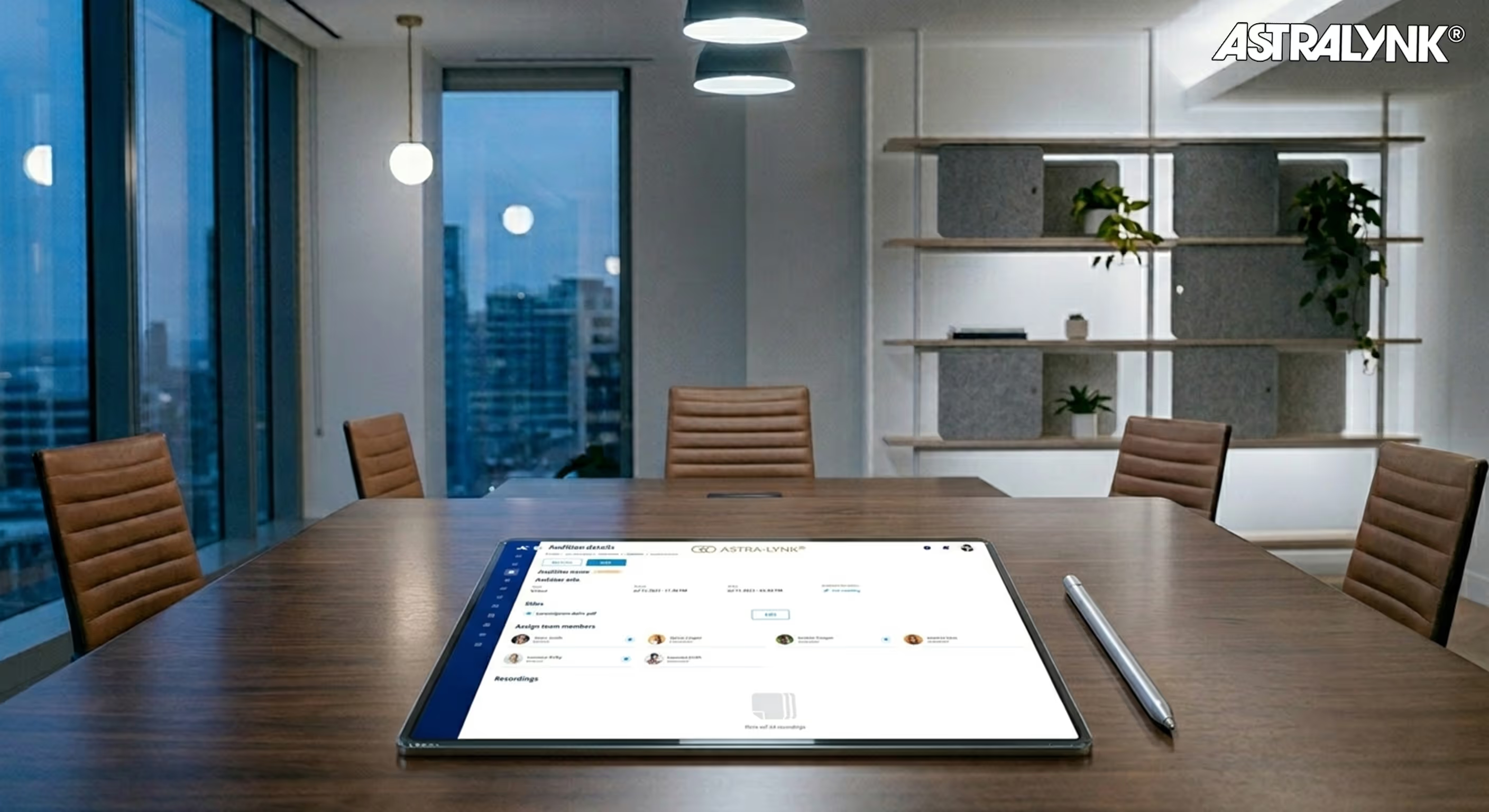
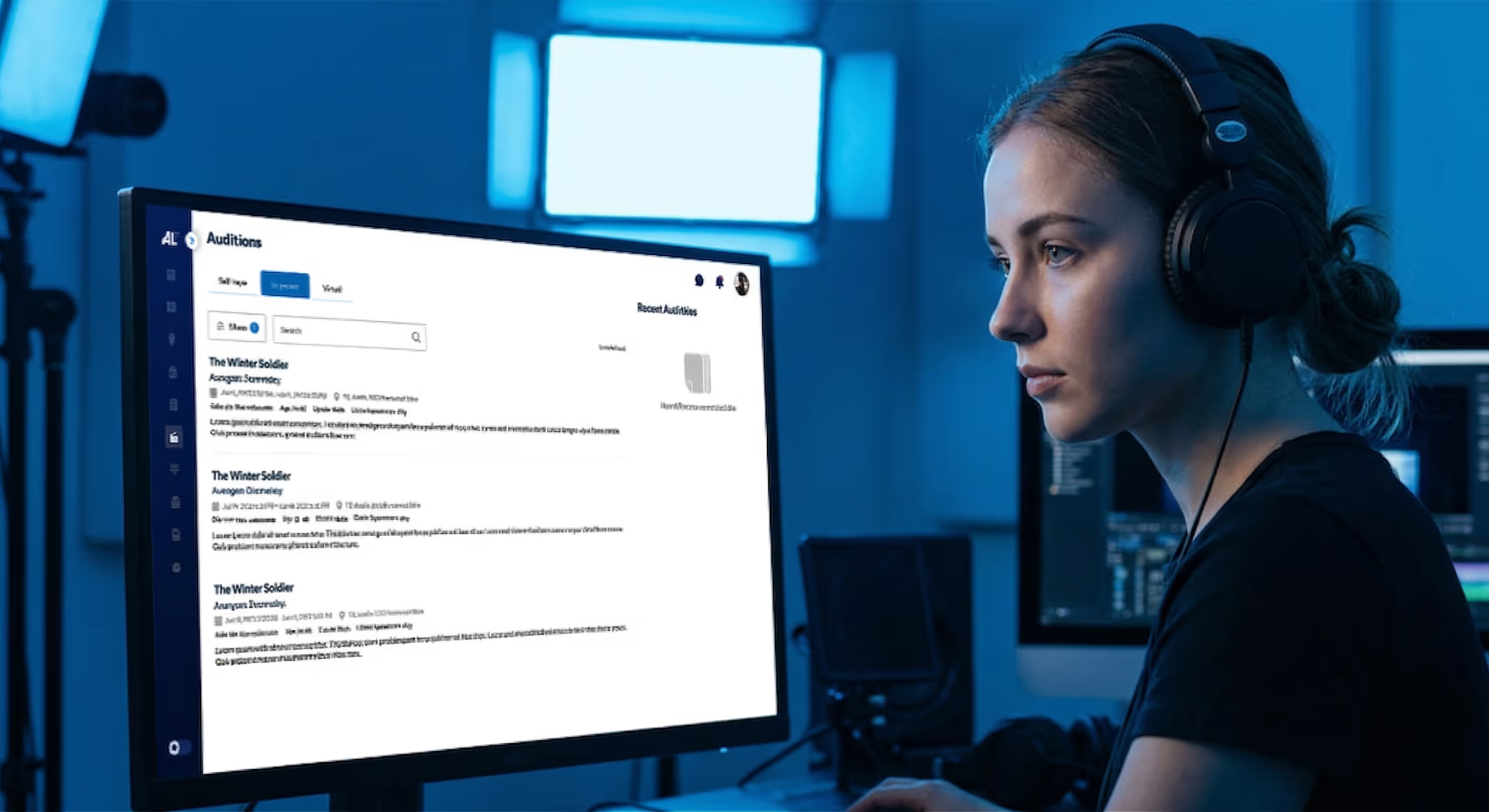
AstraLynk helps actors organize demo reels and self-tape materials within a secure, centralized workspace built for professional casting workflows. Rather than relying on scattered file-sharing services or multiple storage locations, performers can manage their materials in one place and keep them ready for submission.
With structured content management, secure sharing, and organized access to audition assets, AstraLynk helps actors present their work clearly while making it easier for casting teams to review the most relevant performance materials efficiently.
Conclusion
As expectations evolve, actors benefit from presenting their work in a concise, intentional, and professional way. Clear, well-curated reels help casting teams evaluate performances efficiently and understand an actor’s strengths.
AstraLynk provides actors with structured tools to organize, manage, and showcase their demo reels and self-tape materials in a streamlined, professional environment—helping ensure that their best work is easy for casting teams to find and view.
Elevate your demo reel to new standards. Use AstraLynk’s platform to craft, manage, and showcase reels that get you noticed.



.avif)

.avif)

.png)