.avif)
Why Actors and Coaches Are Done Rehearsing on Zoom and FaceTime
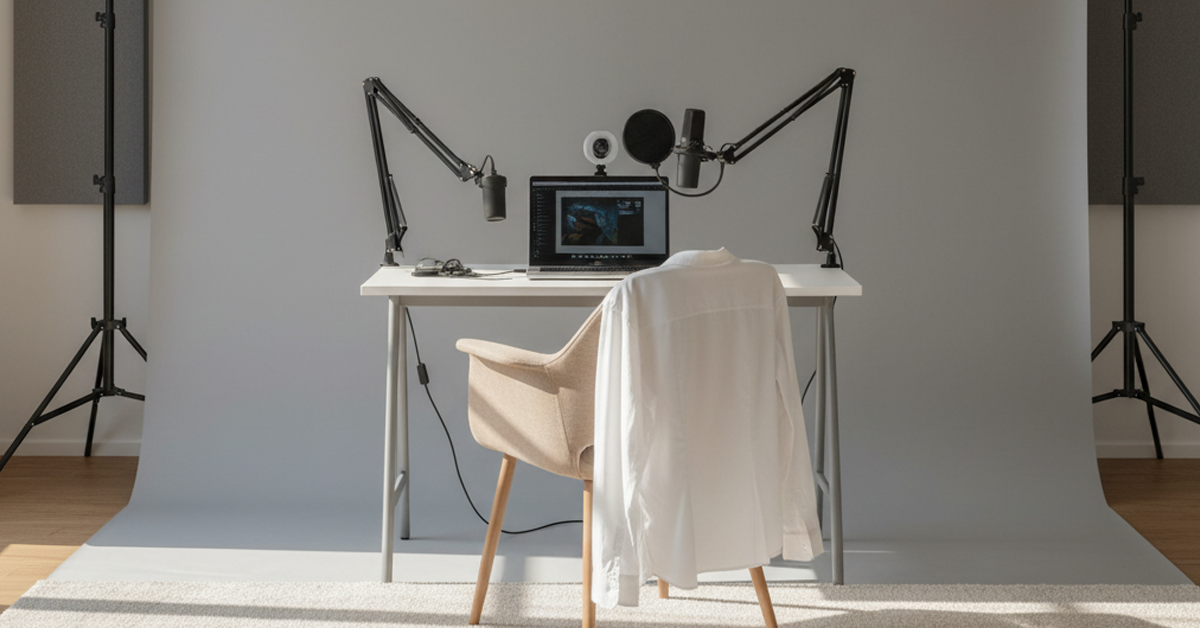
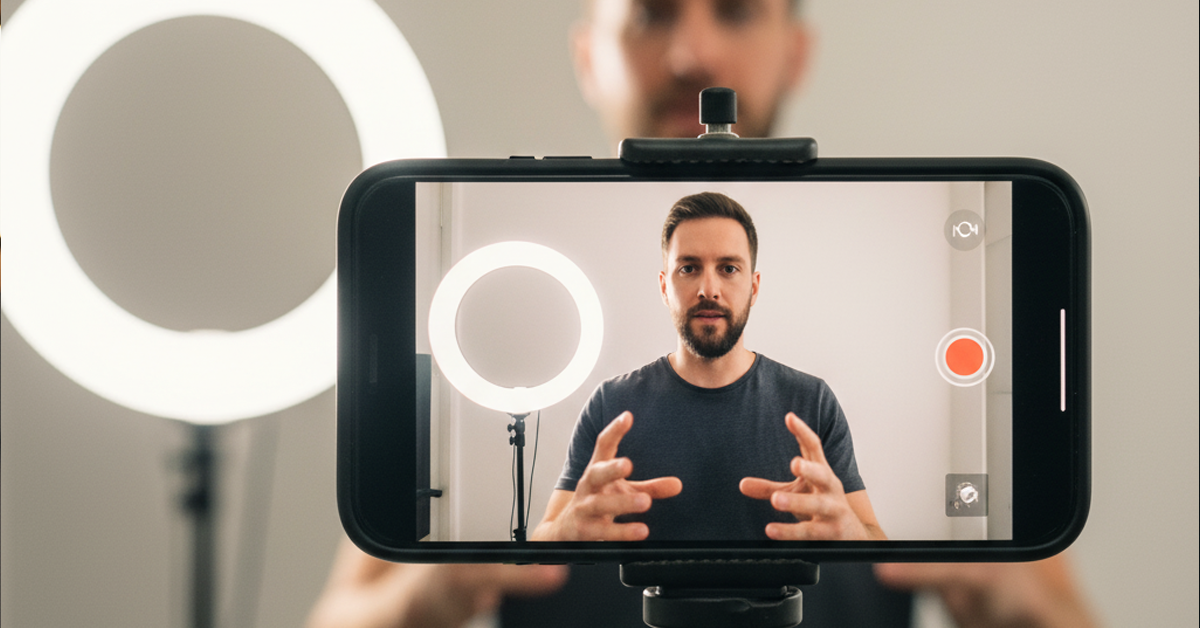
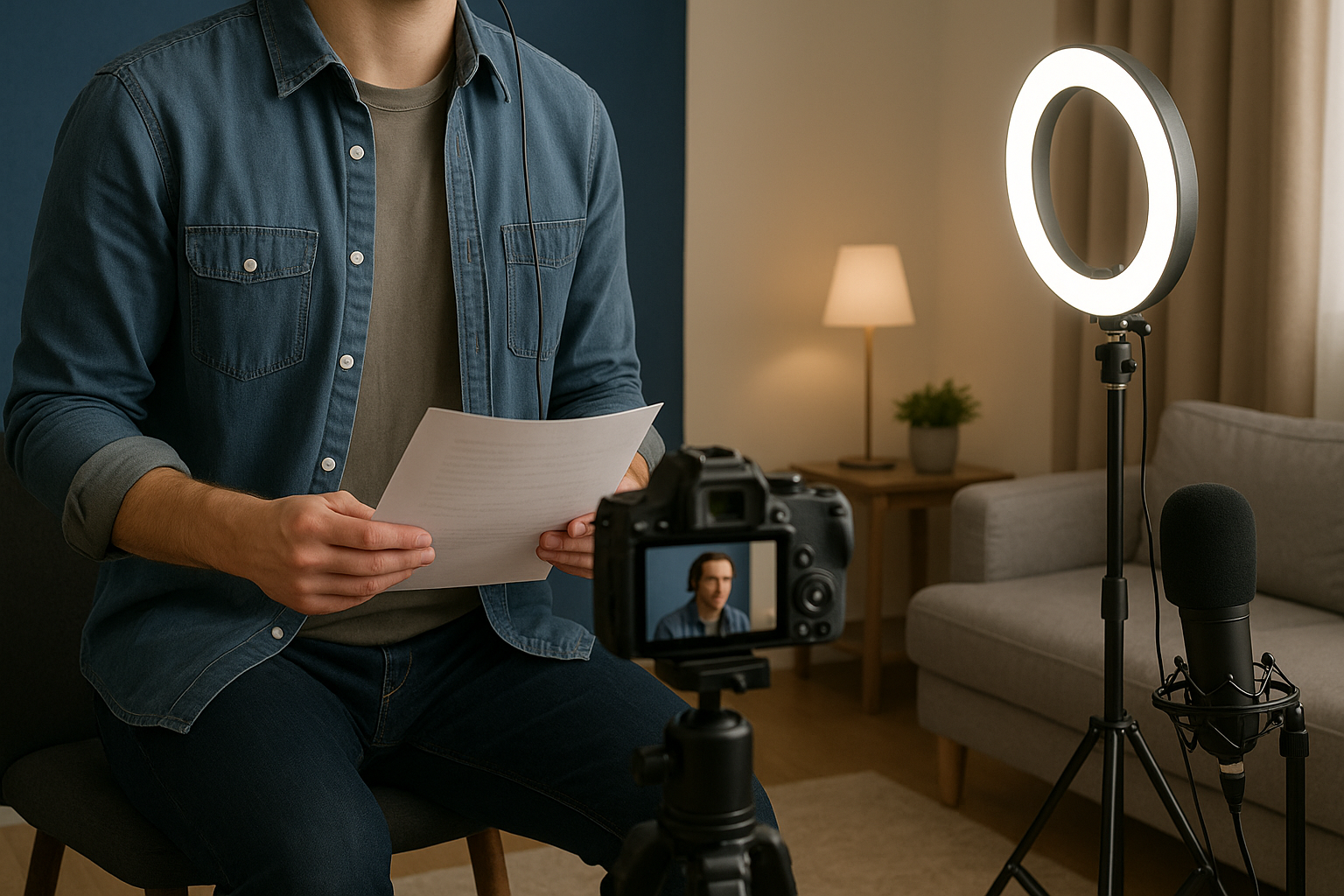
Ask any actor what their virtual rehearsal setup looks like, and the answer is usually the same. A Zoom link or a FaceTime call with a reader on the other end, and a phone propped up somewhere to record. It works well enough until it does not. The connection drops mid-scene. The recording captures the reader's face instead of yours. The coach is managing links through email threads. And when it comes time to actually capture a take, you are juggling tools that were never meant to work together.
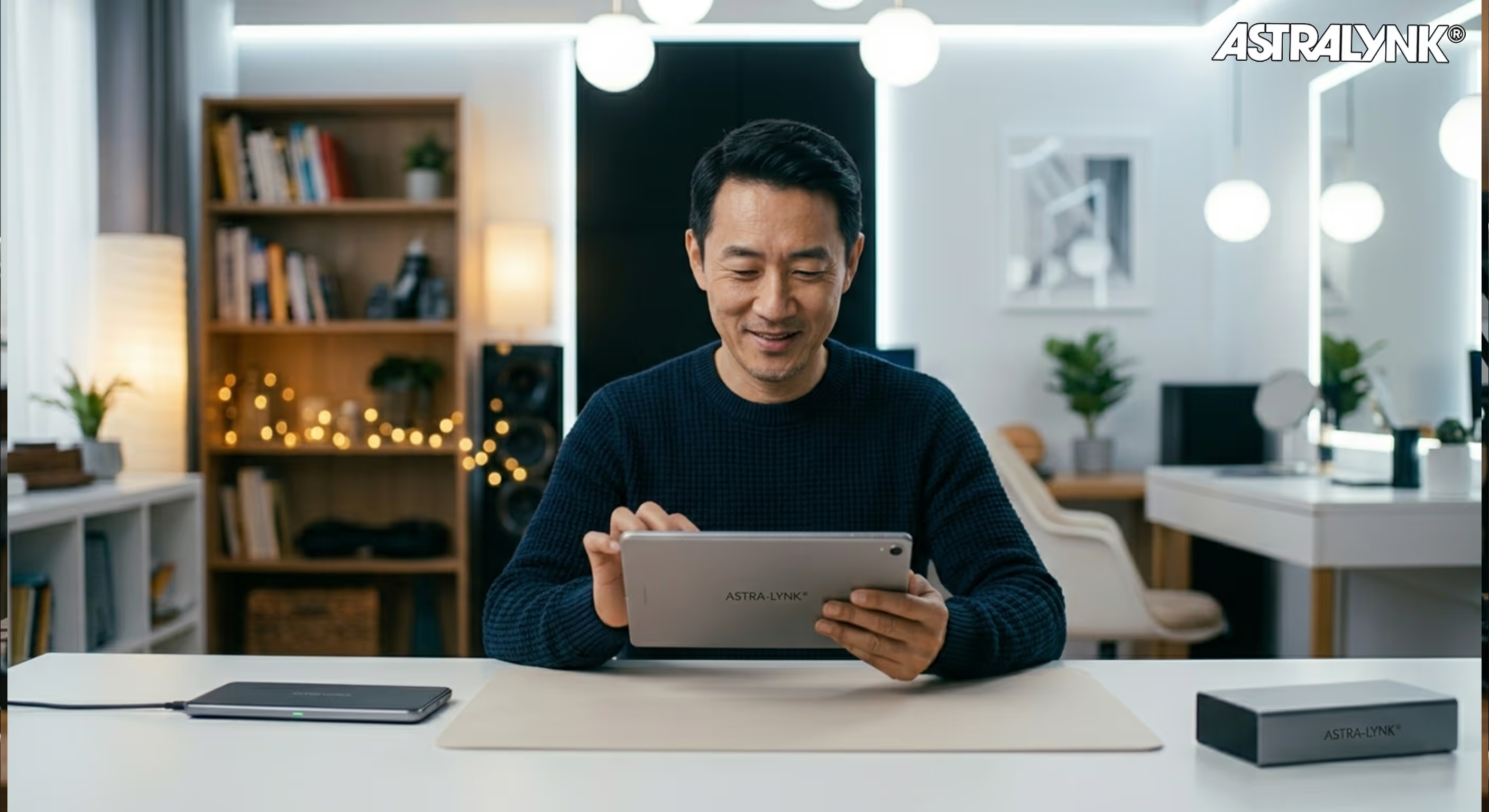
AstraLynk's virtual rehearsal room was built specifically for actors, coaches, and readers, not for quarterly business updates. The difference is felt from the moment you open the room.
The Problem With Using a Meeting Tool for a Performance
Zoom and FaceTime are excellent at what they were designed to do: put people in a room together for a conversation. But rehearsing for an audition is not a conversation. It is a focused, often emotionally demanding session that requires clean audio, reliable video, and a workflow that does not interrupt the work every time you need to move forward.
When actors use these platforms for rehearsal, they are constantly working around the tool rather than with it. Scripts get shared separately. Coaches send links through their own email. Recordings end up in a cloud account with its own retrieval process or sitting in a camera roll with no clear labeling. There is no single place where the scene, the session, and the recording live together.
AstraLynk's virtual room changes that by putting everything in one place, built from the ground up for what actors and coaches are actually trying to do.
The Recording Problem Nobody Talks About
Here is something most actors only discover after they have already recorded a session: general video call platforms record the entire call. That means the reader is in the frame. Whether you capture a gallery view with everyone on screen at once or a full-screen view of a single participant, you cannot isolate just the actor. You are documenting the meeting, not the performance.
On FaceTime, there is not even a native recording option. Actors have to run a separate screen recorder on top of the call, which captures everything on screen and adds another layer of setup before they have even started the scene.
None of these platforms were designed to capture a single performer's audition. They were designed to document a meeting.
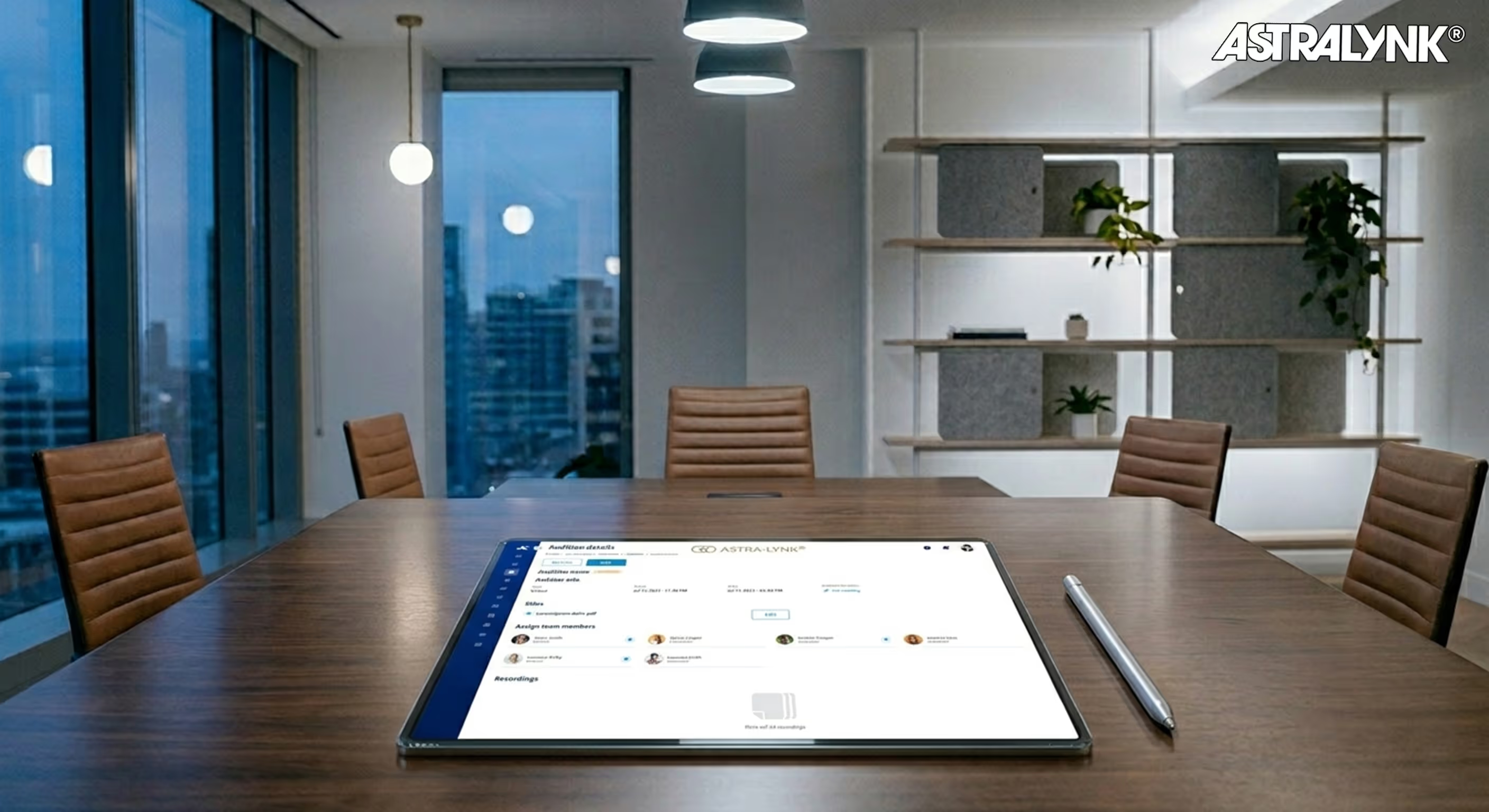
AstraLynk's virtual room records the actor. The session captures your performance, your video, and your audio, stored in a dedicated Recordings section where it lives until you or your coach needs it. No reader in the frame. No hunting through a camera roll. No expiration date.
A Room Designed Around the Work
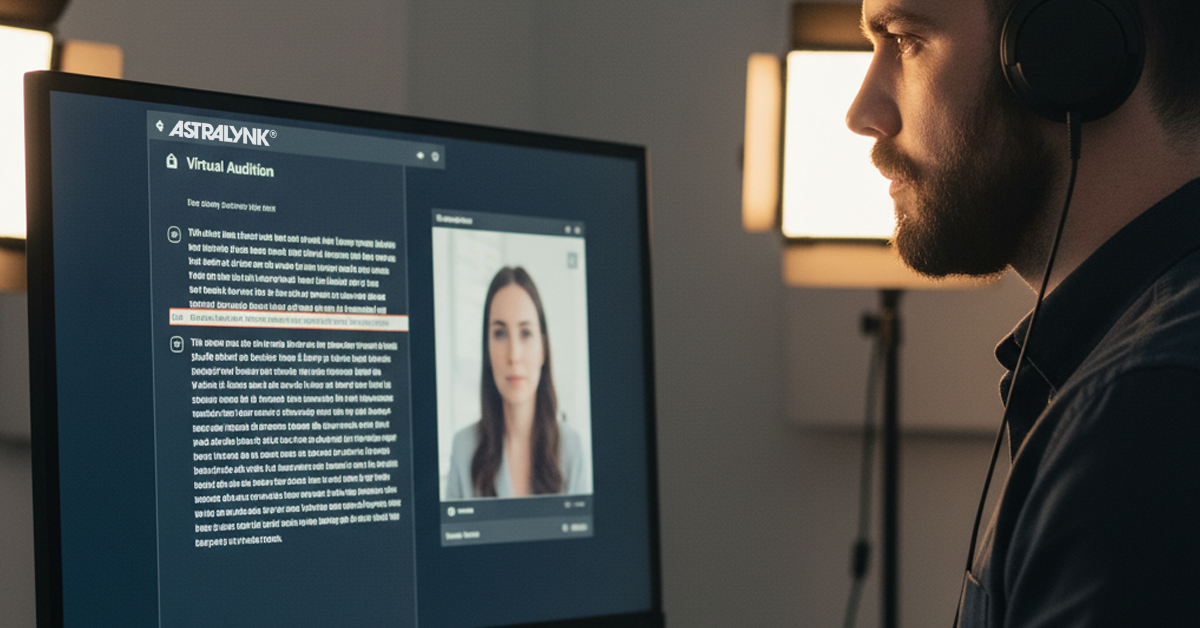
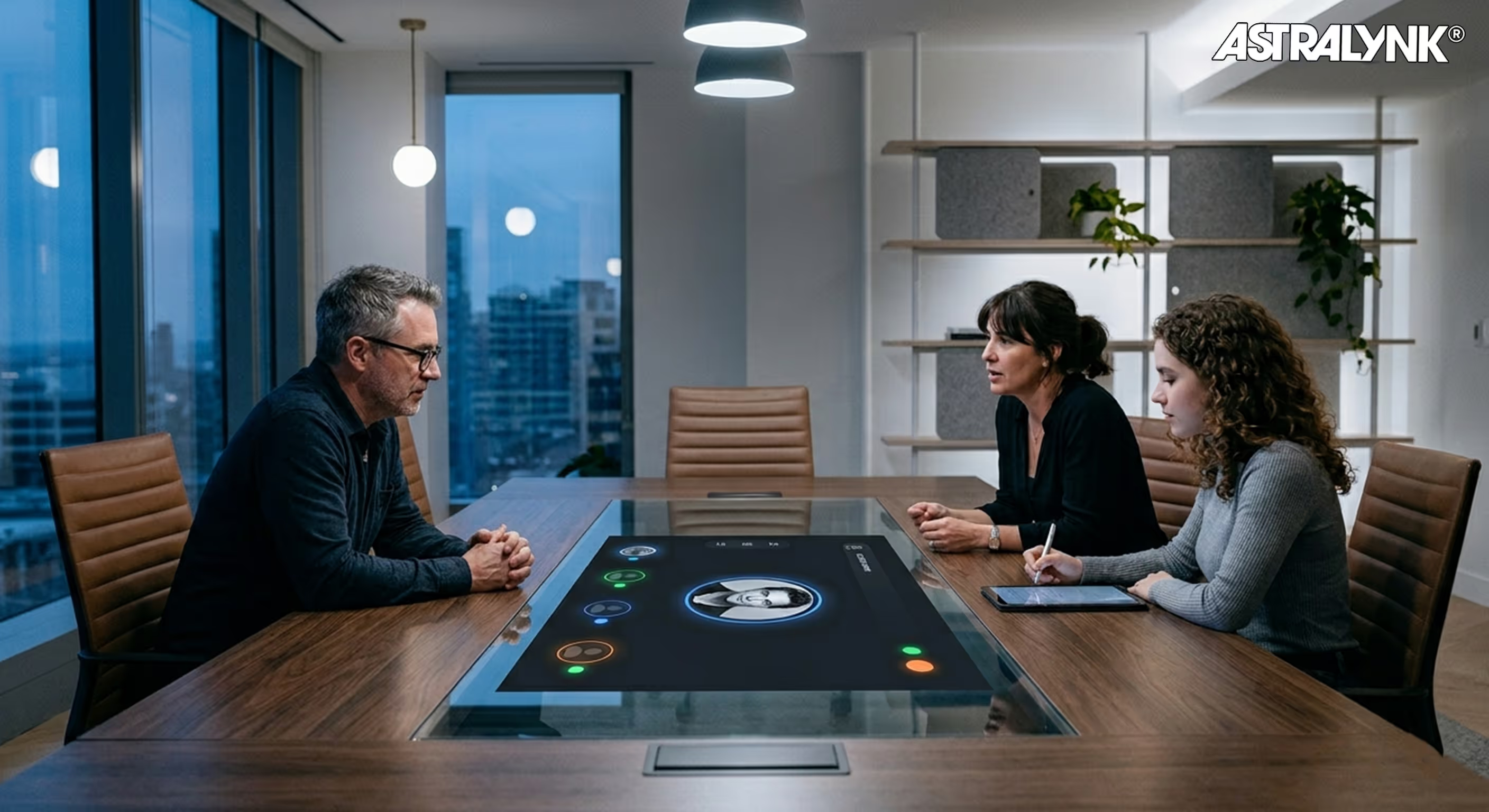
When you open AstraLynk's virtual room, everything you need for the session is already there. Whether you are rehearsing a scene, running lines before a deadline, or recording a self-tape with a reader, the focus is on the work from the moment you arrive.
For coaches, that means less time at the start of every session getting everyone oriented and more time actually working. You can direct, give notes, and run the scene again without managing any of the logistics that usually eat into the hour.
For readers, joining is straightforward. There is no hunting for a link buried in an email thread or figuring out a platform they have never used before. They are in the room, and the session can start.
The result is a space that works for whatever you need it for: a rehearsal, a self-tape session, or a coached run-through the night before your audition.
Know Your Connection Before You Start
One of the most disruptive moments in any virtual session is finding out mid-scene that your connection is not holding or your microphone is not working. AstraLynk lets you check everything before the session begins.
Test your audio, your camera, and your connection before you start. You can see exactly how you look and sound, choose between devices if you have more than one connected, and make adjustments until everything feels right. If anything changes, you can retest at any point.
No surprises. No technical interruptions pulling you out of a strong take.
Your Recordings, Organized and Accessible
When the session ends, your takes are already saved and waiting. No hunting through a camera roll full of unlabeled clips. No digging through a cloud account you have not opened in weeks. Your recordings are clearly labeled, easy to find, and ready to review or send whenever you need them.
Coaches can review takes with you and give notes without anyone leaving the platform or forwarding files back and forth.
Your recordings are also protected. The work you put into that session stays private and secure from the moment you hit record to the moment it is reviewed.
Privacy That Matches the Professional Standard
Your recordings are personal. They capture performances that you may not want circulating beyond the people who need to see them, and AstraLynk treats them that way.
Only the people you want to have access can see your recordings. No one else gets in.
You also retain rights over your own data. If you want your recordings removed, you can request that from your profile, and they will be permanently deleted. Your performance, your call.
Built for the Scene, Not the Meeting
The difference between a general video call and AstraLynk's virtual room is the difference between borrowing someone else's space and working in a room that was built for you.
For actors, it means fewer technical interruptions, a cleaner path from rehearsal to recording, and the confidence that what gets captured is actually your performance, not a split-screen of you and your reader.
For coaches, it means a session environment that supports the work rather than complicating it. Recordings and session controls are part of the same platform, not scattered across multiple apps.
For readers, it means joining a session that is clean, reliable, and focused entirely on the scene.
Final Thoughts
The tools you use to prepare for an audition shape the quality of that preparation. When your virtual session is running on a general-purpose video call, you spend energy working around its limitations. When it is built specifically for actors, coaches, and readers, the technology disappears and the work takes over.
AstraLynk's virtual room was designed around one straightforward idea: the session should be about your performance, and the recording should prove it. If you are ready to stop working around Zoom and start working in a room that was built for you, AstraLynk is where that starts.

.avif)
.avif)
.avif)
.png)