.avif)
Streamlining the Casting Process: The Role of Workflow Automation in Talent Management

Casting has become increasingly operational as productions manage larger talent pools, tighter schedules, and collaboration across multiple stakeholders. While creative evaluation remains at the center of every casting decision, the administrative work surrounding submissions, scheduling, communication, and approvals has grown significantly. Workflow automation has emerged to reduce this operational complexity by helping casting teams organize information, coordinate tasks, and maintain visibility throughout the casting process. Rather than replacing creative judgment, modern casting platforms provide structured workflows that support efficiency while allowing casting professionals to remain fully in control of decision-making.
The Challenge of Contemporary Casting Procedures
Modern casting involves far more than reviewing headshots and scheduling auditions. Casting teams coordinate digital submissions, organize audition materials, manage callbacks, communicate with representatives, and track progress across multiple productions simultaneously. When these activities are managed through disconnected emails, spreadsheets, and shared folders, administrative overhead increases and important information becomes harder to track.
As production volume grows, manual coordination can slow workflows and reduce visibility across the team. Workflow automation helps address these operational challenges by organizing routine processes, improving consistency, and reducing the administrative effort required to keep casting projects moving forward.
The Power of Workflow Automation in Talent Management
Workflow automation supports the administrative side of casting by helping teams manage routine processes more consistently. Rather than directing casting decisions, automation helps organize submissions, route materials for review, update project status, and notify team members when action is required.
By reducing repetitive administrative work, casting teams spend less time coordinating logistics and more time reviewing performances. As casting volumes increase, structured workflow automation also helps maintain consistency across projects while reducing delays caused by manual follow-ups and fragmented communication.
How Do Casting Team Dashboards Centralize Operations?
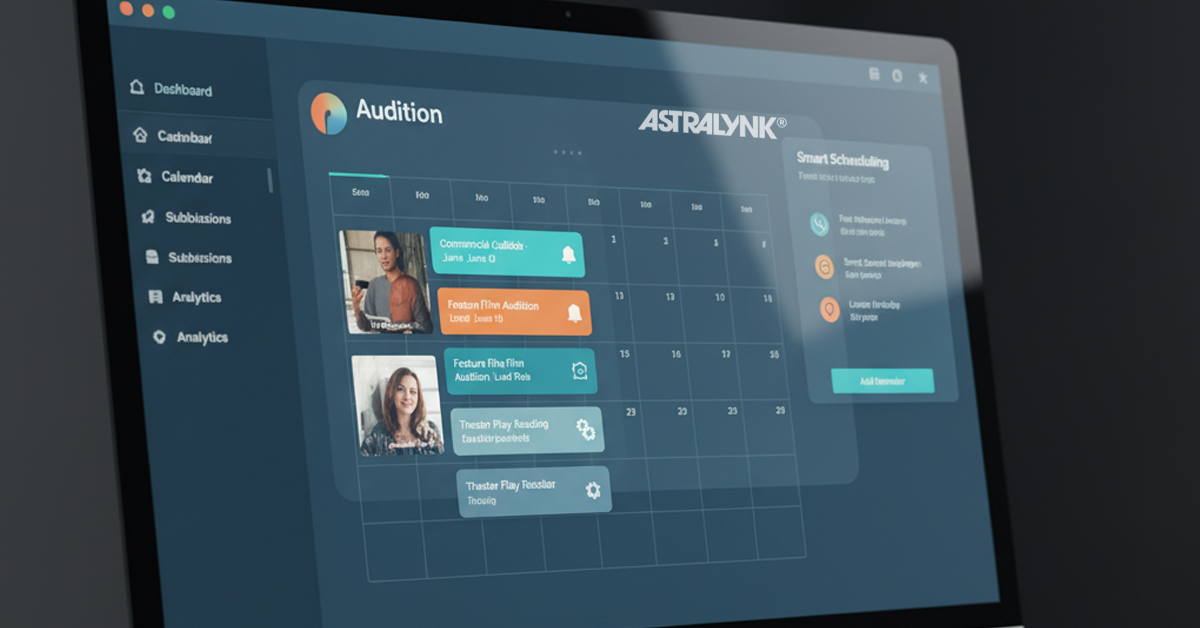
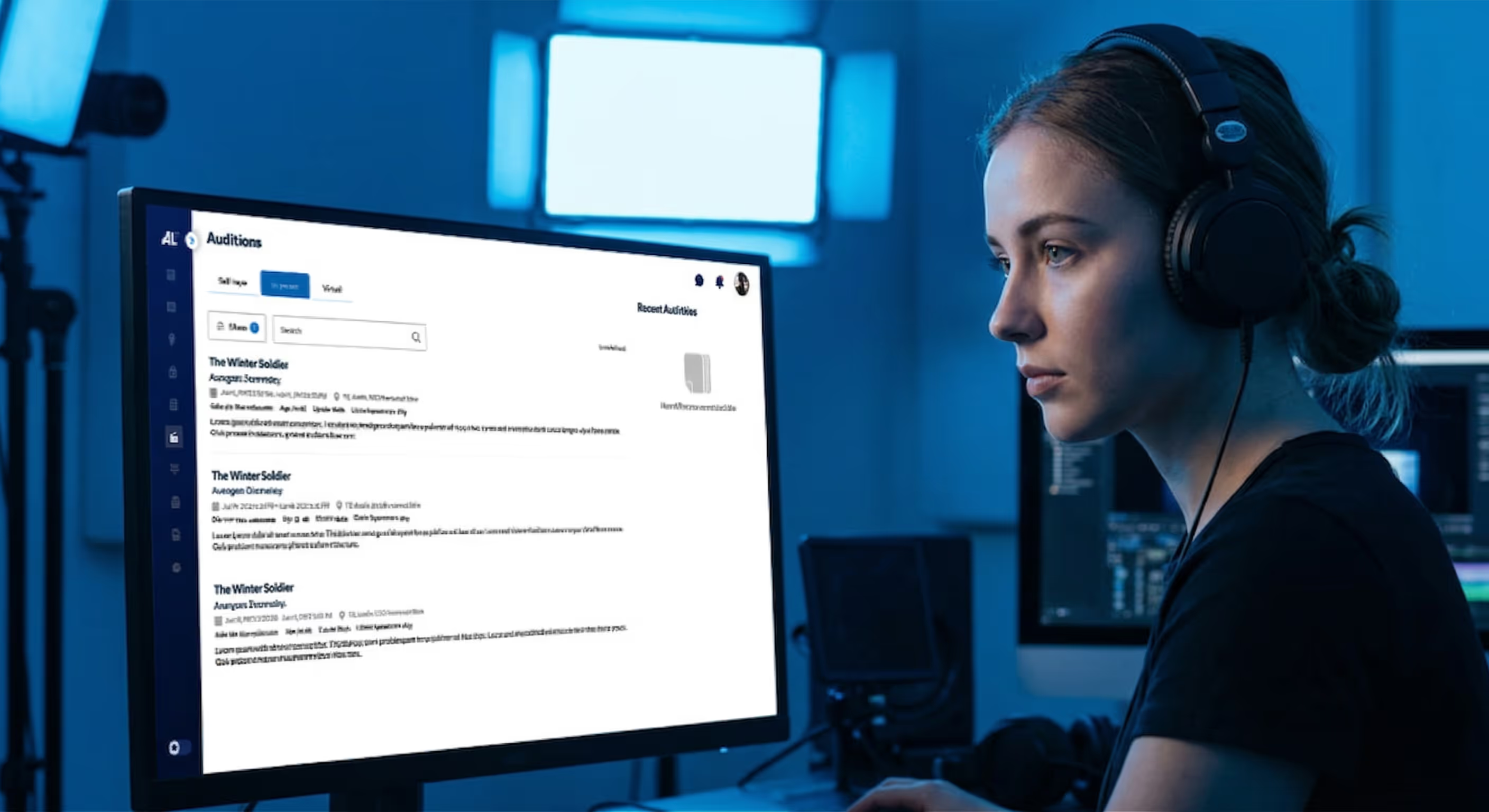
Casting dashboards provide a centralized view of project activity by bringing submissions, review status, schedules, notes, and communications into one workspace. Instead of switching between multiple systems, casting teams can quickly understand where each role stands and what requires attention.
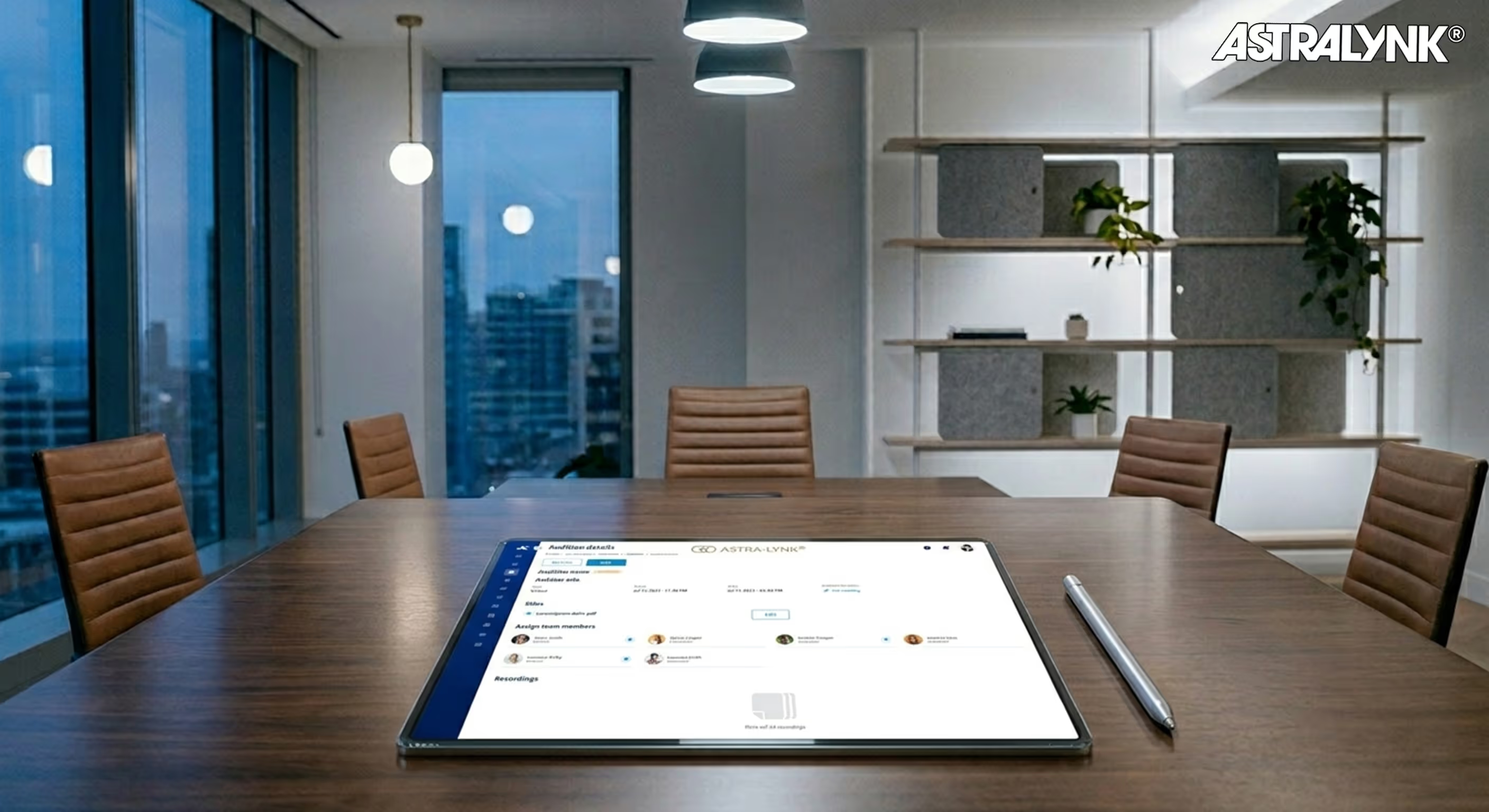
Shared visibility also improves coordination across casting directors, associates, assistants, producers, and other approved collaborators. With current project information available in one place, teams can reduce duplicate work, improve communication, and keep casting workflows organized without changing how creative decisions are made.
Enhancing Efficiency with Casting Assistant Tools
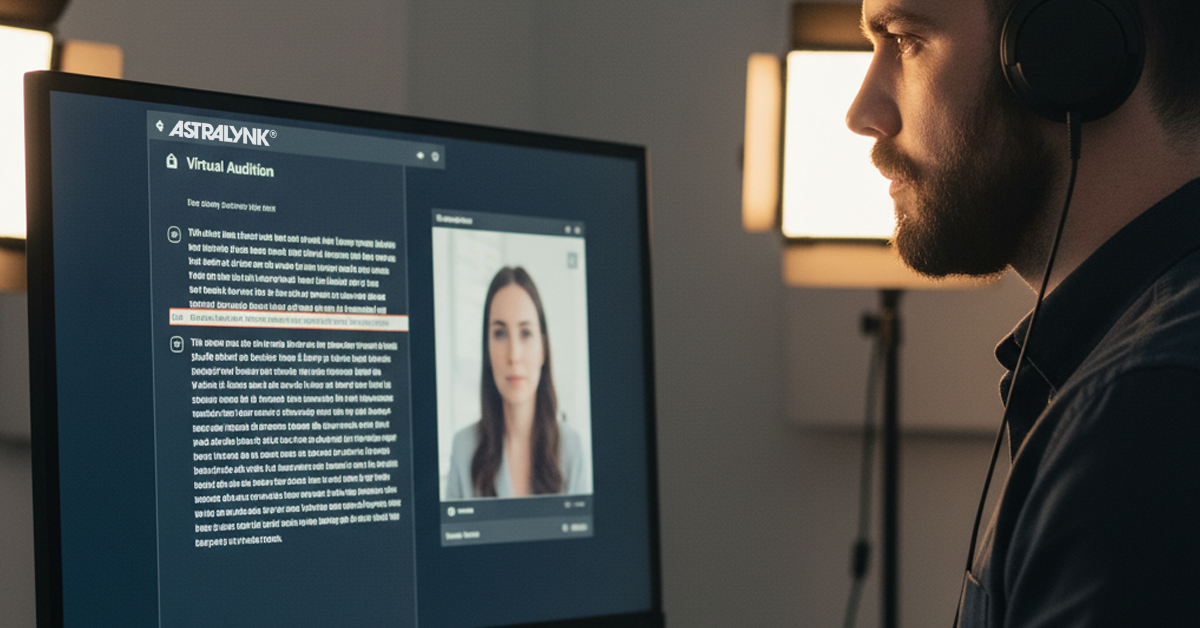
Casting assistant tools help reduce the administrative effort involved in coordinating auditions, organizing materials, and maintaining communication throughout a project. Features such as scheduling support, reminders, centralized notes, and organized submission management help streamline routine tasks while keeping project information accessible.
By supporting operational coordination rather than creative evaluation, these tools allow casting professionals to spend more time reviewing talent and less time managing logistics across multiple systems.
AstraLynk: Leading the Future of Streamlined Casting
AstraLynk is designed to support the operational side of professional casting by bringing submissions, communication, scheduling, and project tracking into a secure, centralized environment. Its casting team dashboard provides visibility across active projects, while casting assistant tools help organize routine coordination and workflow automation supports administrative processes throughout production.
Rather than changing how casting decisions are made, AstraLynk provides infrastructure that helps reduce fragmentation, improve collaboration, and maintain consistency as productions manage increasing complexity.
Conclusion
Workflow automation is a necessity in today’s difficult casting landscape. Automated workflows help studios streamline operations, reduce friction, and support teams through efficient, sustainable casting cycles. Tools like AstraLynk demonstrate how intelligent casting technology can unify the casting process, drive better teamwork and collaboration, and ultimately increase your decision quality in talent management processes.
Transform your casting today. Request a demo and streamline talent management with AstraLynk.




.avif)

.avif)

.png)