.avif)
Inside the Casting Review Process: What Casting Directors Look for in Every Audition

Every audition is an opportunity to make a lasting impression, but what happens after you submit your self-tape? Today's casting directors review hundreds of auditions while balancing tight production schedules and digital workflows. Understanding the professional casting review process helps actors see how performances are evaluated and why preparation, organization, and authenticity matter. The better you understand what happens behind the scenes, the better prepared you'll be to get noticed and make every audition count.
How Casting Directors Review Talent for Professional Productions
Getting to the Performance: How Casting Reviews Begin
Before casting directors can evaluate a performance, they need quick and reliable access to audition materials. A clear casting approval workflow ensures submissions are complete, easy to open, and organized from the start. While strong administration doesn't determine who gets the part, it allows casting teams to focus on what matters most: your performance. Submitting professional, well-organized materials helps create a smooth review process and makes a positive first impression.
How Casting Directors Interpret Performances
Once the review begins, casting directors look beyond memorized lines. They evaluate how naturally an actor connects with the character, whether emotional choices feel authentic, and how the performance fits the overall vision of the project. Every audition is considered alongside the story, the genre, and the other performers being reviewed. This is why thoughtful rehearsal and working on your craft are so important. Strong preparation helps actors deliver performances that feel confident, believable, and memorable.
Production Fit Beyond the Individual Performance
Booking a role depends on more than delivering a great audition. Casting directors and producers also consider ensemble chemistry, scheduling, and how each performer fits the creative direction of the production. An actor may give an outstanding performance and still not be the right fit for a particular project. Understanding this can help performers stay focused on giving their best audition, knowing that every strong performance builds experience and creates future opportunities to get noticed.
Digital Tools Supporting Modern Casting Workflows
Shared Review Through Producer Dashboards
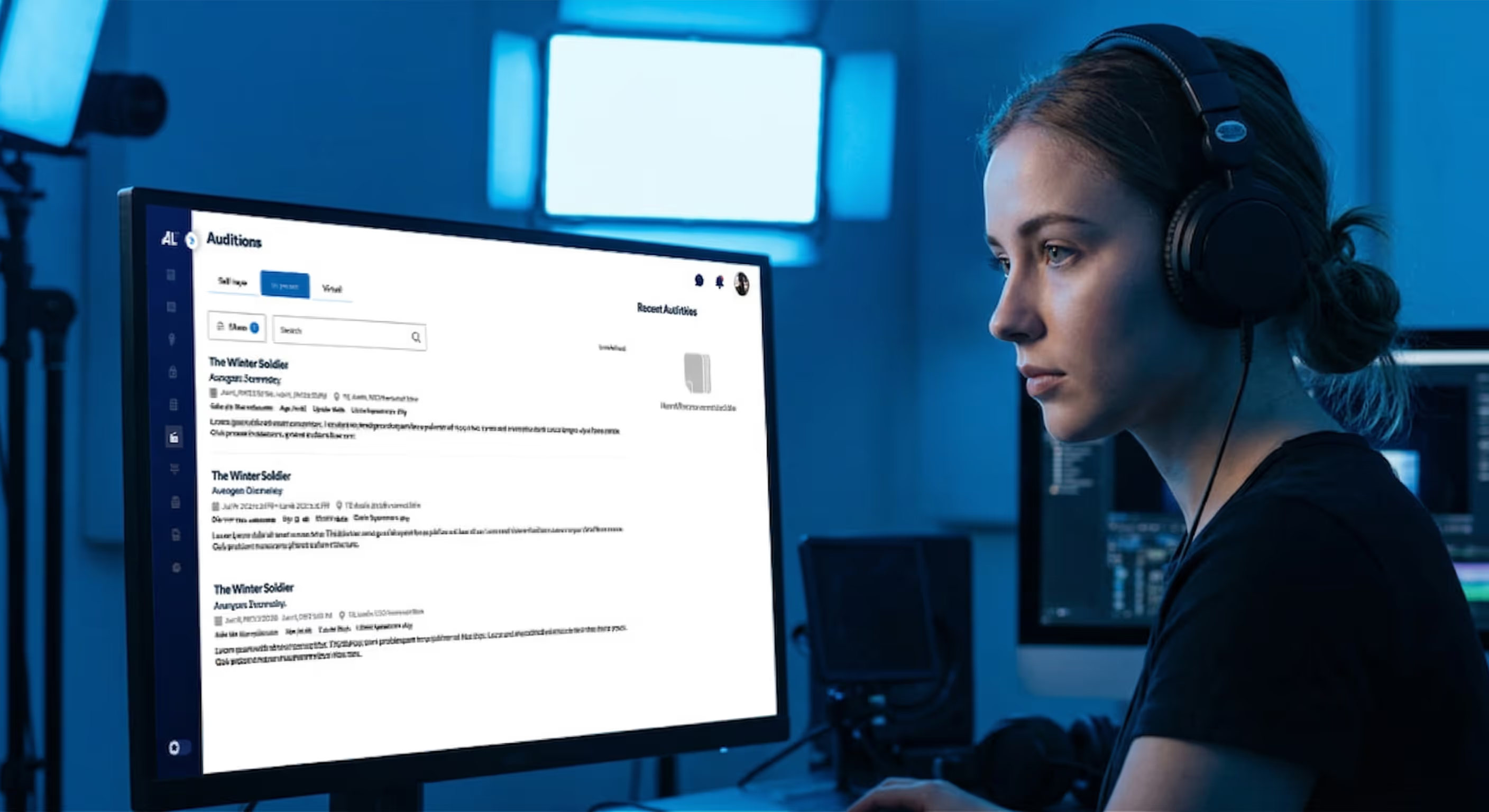
Modern productions rely on collaborative review tools that allow casting directors, producers, and other decision-makers to evaluate auditions efficiently. A producer dashboard keeps audition materials, notes, and shortlists organized in one place, making collaboration faster while ensuring every performance receives consistent consideration. These tools support the review process without replacing the creative judgment that ultimately drives casting decisions.
Approval Coordination Across Casting and Production Teams
Casting decisions often involve producers, directors, legal teams, and other stakeholders, each reviewing materials at different stages. A structured casting approval workflow keeps everyone aligned by organizing submissions, tracking approvals, and reducing confusion throughout the review process. With fewer administrative delays, casting professionals can spend more time evaluating performances and identifying the actors who are the best fit for each role.
AstraLynk: A Secure Ecosystem Supporting Professional Casting Workflows
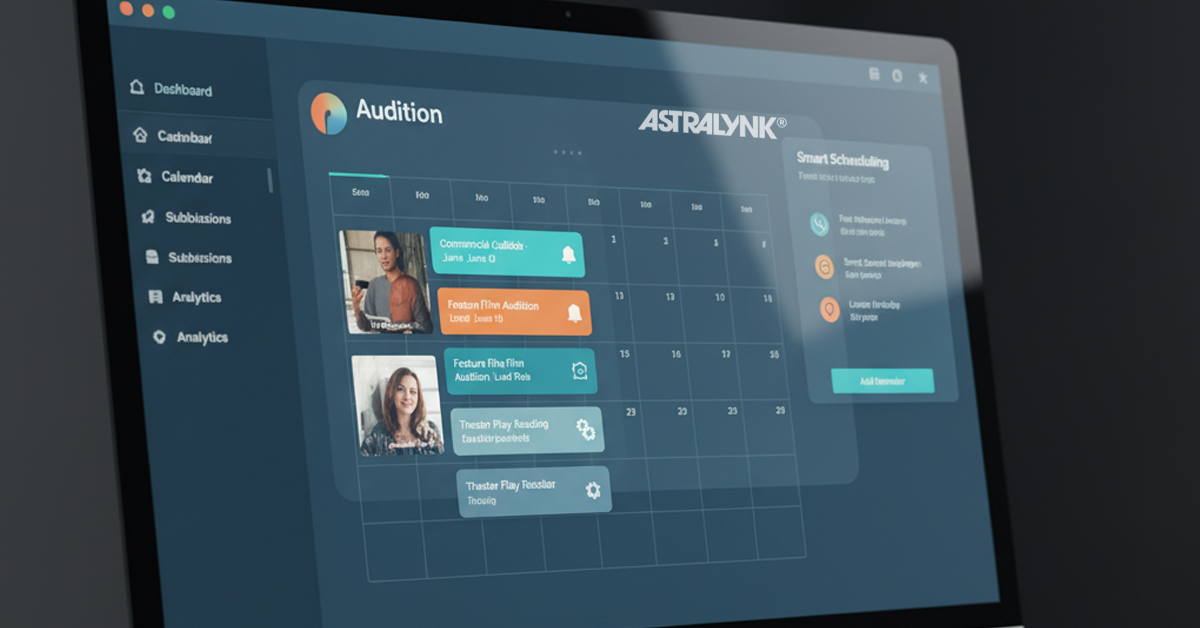
AstraLynk provides a secure environment where audition materials, notes, and collaboration tools come together in one place. By helping casting directors, producers, and representatives work from the same organized set of materials, the platform reduces version confusion and streamlines communication. For actors, this means their submissions are presented professionally, allowing casting teams to focus on their performance rather than technical issues. A more organized process benefits everyone involved and helps keep the focus where it belongs: on finding the right talent.
Conclusion
Today's casting process combines creative instinct with organized workflows that help productions move efficiently without compromising thoughtful decision-making. While actors can't control every casting outcome, they can control how well they prepare, how professionally they present their materials, and how consistently they work on their craft. Understanding how casting directors review talent allows performers to approach every audition with greater confidence, make stronger creative choices, and put themselves in the best position to get noticed when the right opportunity comes along.





.avif)


.avif)


.png)