.avif)
How Casting Dashboards Are Evolving for Modern Production Teams

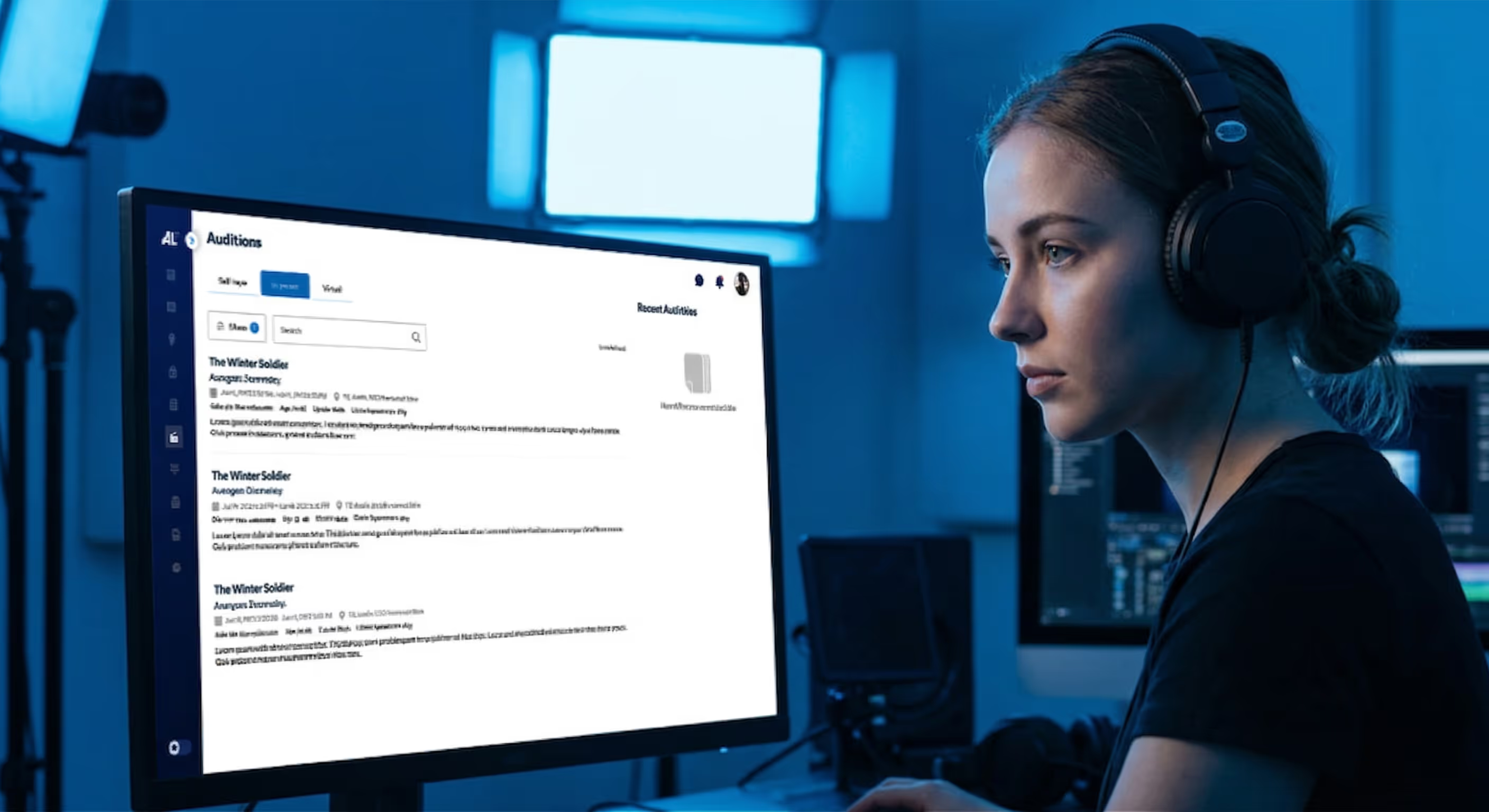
Casting today involves more submissions, tighter deadlines, and greater collaboration than ever before. Production teams often manage multiple projects simultaneously while coordinating input from casting directors, producers, agents, and other stakeholders. As these workflows become more complex, casting dashboards are evolving from simple tracking tools into centralized workspaces that improve visibility, communication, and coordination. Rather than influencing creative decisions, today's platforms help teams stay aligned so they can review talent more efficiently and keep productions moving forward.
What Casting Need Clarity Around in 2026
Managing Submissions Across a Busy Casting Process
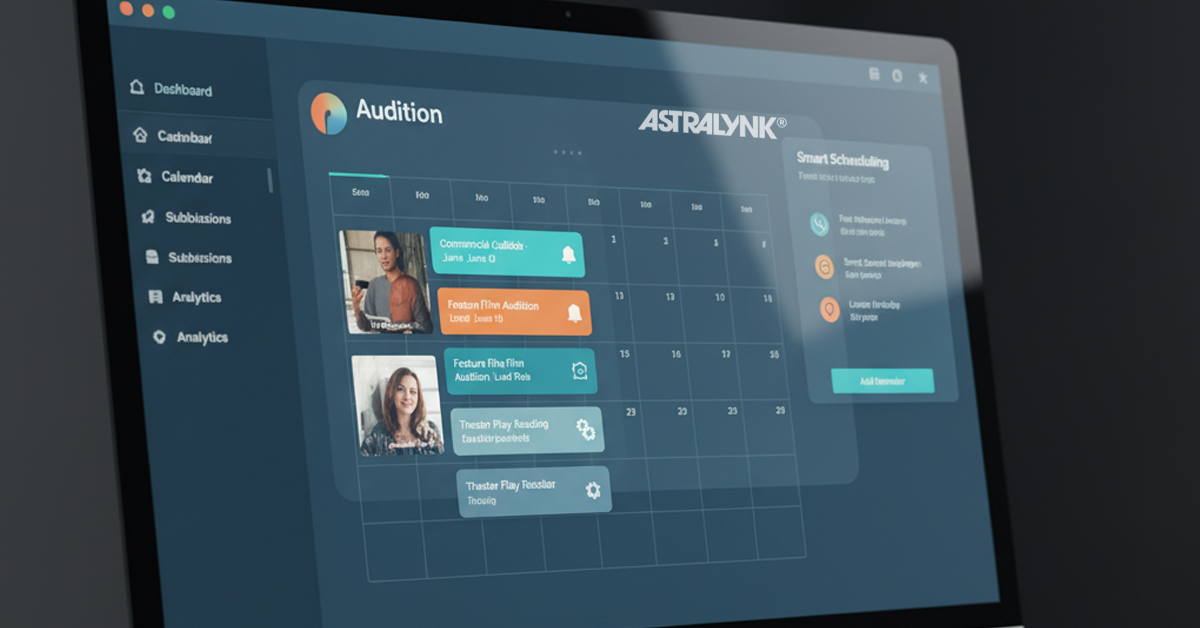
High-volume casting requires more than simply collecting submissions. Teams need clear visibility into what has been received, what still requires review, and which materials are incomplete before deadlines arrive. When audition files are spread across emails, shared drives, and multiple platforms, confusion and delays become more likely. Modern casting assistant tools help organize submissions in one place, giving casting teams the clarity they need to focus on evaluating talent instead of managing administrative tasks.
Why Performance Review Still Resists Automation
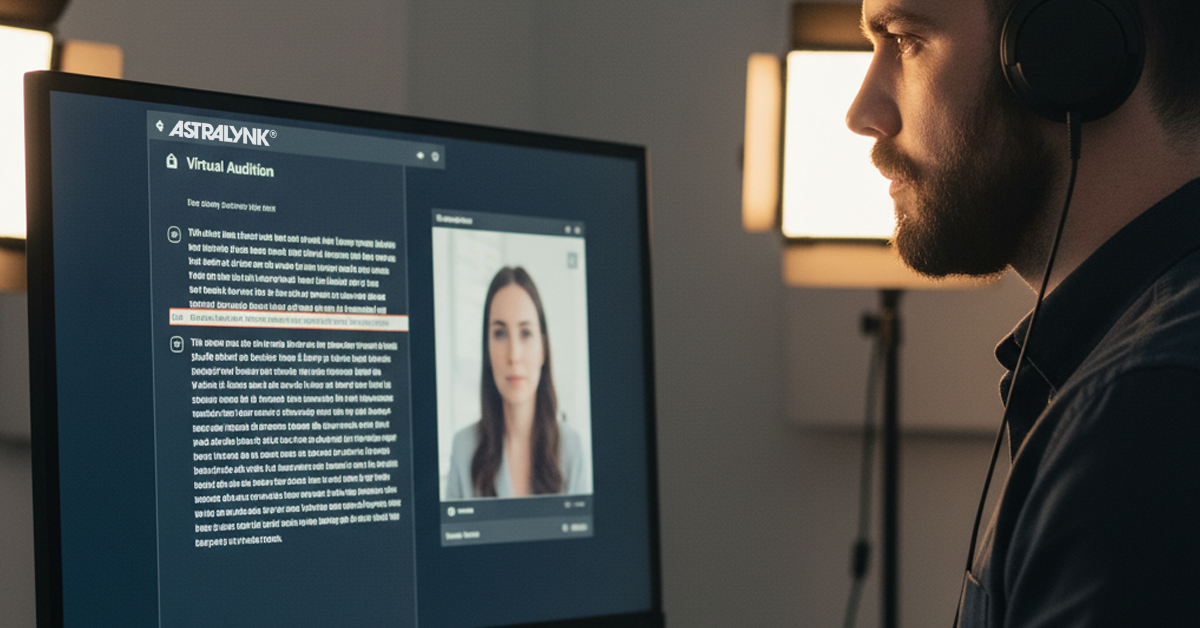
Performance review in casting has never been about objective measurement. Emotional truth, interpretation, chemistry, and context cannot be reduced to consistent criteria or standardized signals. What works for one role, director, or project may be entirely wrong for another. For that reason, performance decisions continue to rely on human judgment rather than automated systems. Technology can support how performances are reviewed and shared, but it cannot replace the discretion, experience, and creative perspective that casting decisions require.
Where Casting Workflows Tend to Break Down
Casting workflows often become inefficient when submissions, approvals, notes, and communication are spread across disconnected systems. Teams lose valuable time searching for information, following up on missing materials, or confirming the latest version of a submission. Workflow automation helps reduce these operational gaps by improving coordination between stages, minimizing delays, and creating a smoother review process without changing how creative decisions are made.
Why Casting Directors Are Reassessing Casting Platforms
Casting teams build valuable knowledge across multiple productions, but that information is often scattered between email conversations, shared folders, and individual team members. Modern casting team dashboards provide a centralized location for submissions, feedback, and project history, making it easier to maintain continuity across productions and reducing the need to recreate context with every new project.
How Casting Teams Maintain Context Across Projects
Every production generates valuable information that can improve future casting decisions. Keeping audition materials, review notes, and project history organized in one location allows teams to build on previous work instead of starting over each time. A well-designed casting dashboard supports long-term continuity while giving teams quick access to the information they need throughout every stage of production.
How Casting Offices Build Confidence in Their Decisions
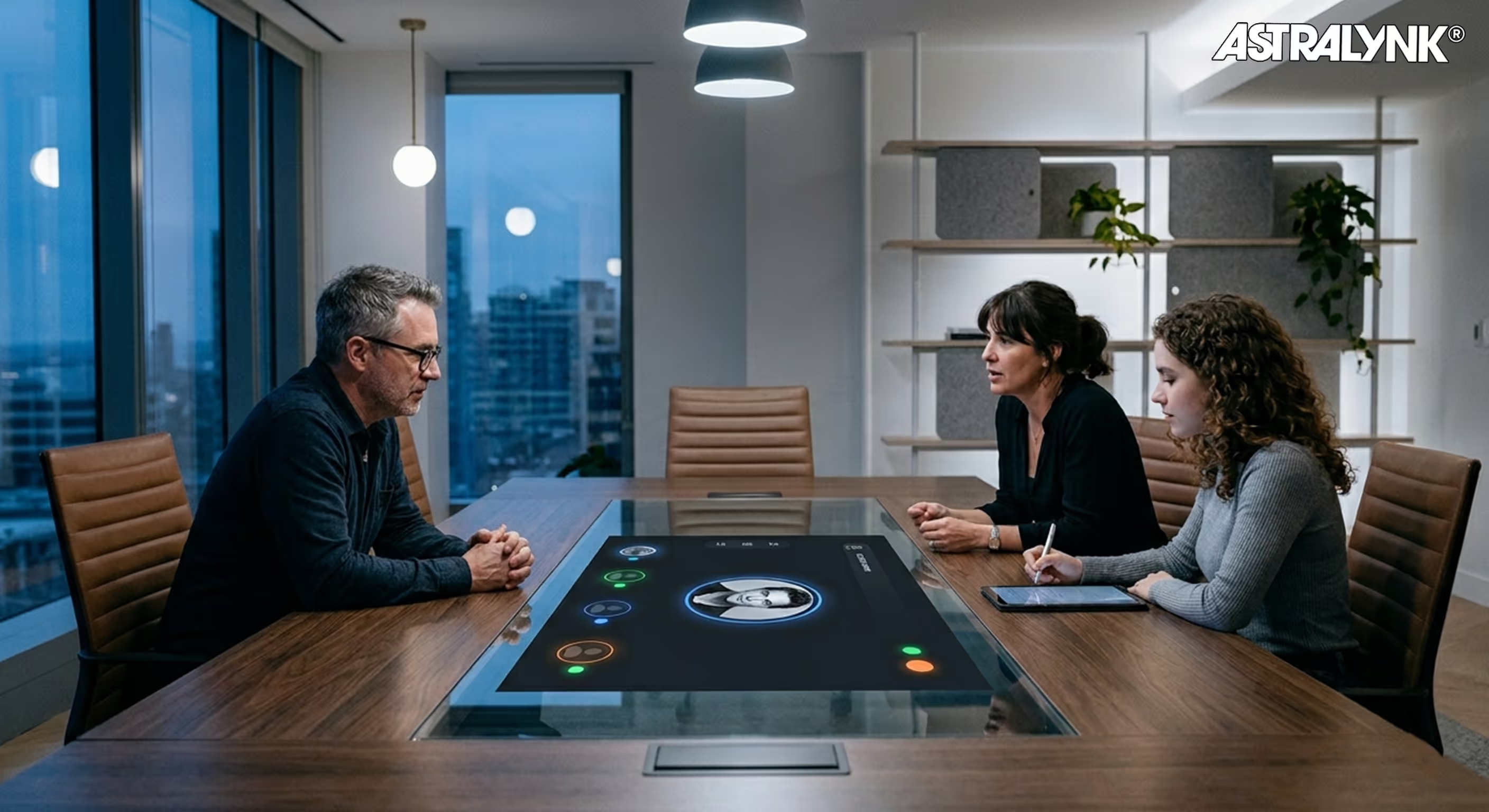
Confident casting decisions come from organized information rather than complicated scoring systems. When submissions, feedback, approvals, and review notes are easy to access, casting teams can collaborate more effectively and move through decisions with greater clarity. Modern casting assistant tools support this process by keeping important information organized, reducing misunderstandings, and improving communication across production teams.
Where AstraLynk Fits Into the Industry’s Changing Casting Landscape in 2026
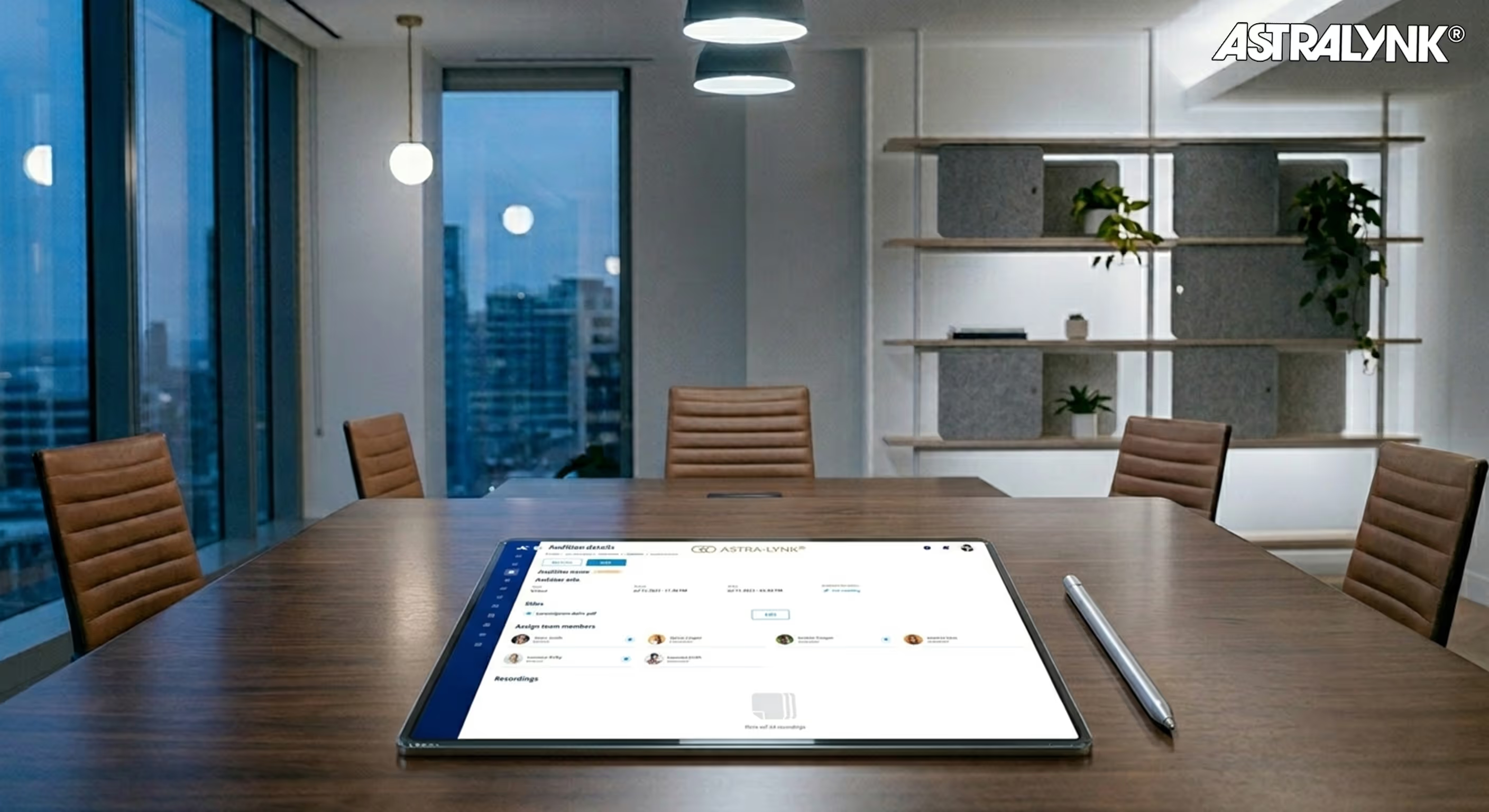
As productions become more complex, casting teams need tools that simplify coordination without disrupting creative decision-making. AstraLynk brings submissions, communication, approvals, and collaboration into one secure environment, reducing fragmentation across multiple systems. By streamlining workflows and improving visibility, the platform allows casting professionals to spend less time managing processes and more time focusing on finding the right talent for every production.
Conclusion
The future of casting isn't about replacing creative judgment with technology. It's about giving production teams better tools to support the work they already do. As casting workflows continue to grow in complexity, centralized dashboards and organized collaboration will become increasingly important for maintaining efficiency, protecting project information, and improving communication. Platforms like AstraLynk help make that possible by reducing operational friction while allowing casting professionals to remain fully in control of every creative decision.




.avif)

.avif)

.png)