.avif)
From Fragmented Tools to One View: Why Casting Dashboards Are Evolving

Casting workflows did not become fragmented overnight. Over time, teams added tools to solve specific needs. Email handled communication. Shared drives stored files. Spreadsheets tracked submissions and availability. Separate platforms managed auditions. Each system served a purpose, but together they created gaps in coordination, context, and security. As casting volume increased and timelines tightened, managing work across so many disconnected systems became harder to sustain. Casting team dashboards began to emerge as a way to bring clarity to that environment by helping teams see where things stand, what has been reviewed, and what requires attention, without changing how decisions are made.
The Cost of Fragmented Casting Workflows
Fragmentation doesn’t just slow casting down; it erodes clarity. When submissions, notes, approvals, and records live across multiple systems, it becomes harder to track what has been reviewed, what is pending, and who is responsible for next steps. Context is lost, work is duplicated, and follow-ups slip through the cracks. As projects scale, those gaps compound. What should be a coordinated process becomes reactive, making it harder to move confidently and keep timelines predictable.
Why Casting Teams Needed a Better Way to Stay Aligned
Actors, casting directors, producers, agents, managers, and coordinators all play a role in helping the right performer book the gig, but keeping everyone aligned has become more challenging as productions grow more complex. Casting decisions still rely on creative judgment, yet sharing audition materials, updates, and feedback across multiple systems can slow the process. Modern casting assistant tools help organize communication and keep everyone working from the same information, allowing casting teams to focus on finding the right actor while giving performers a smoother path to get noticed and get the part.
What Casting Dashboards Are Being Built to Handle
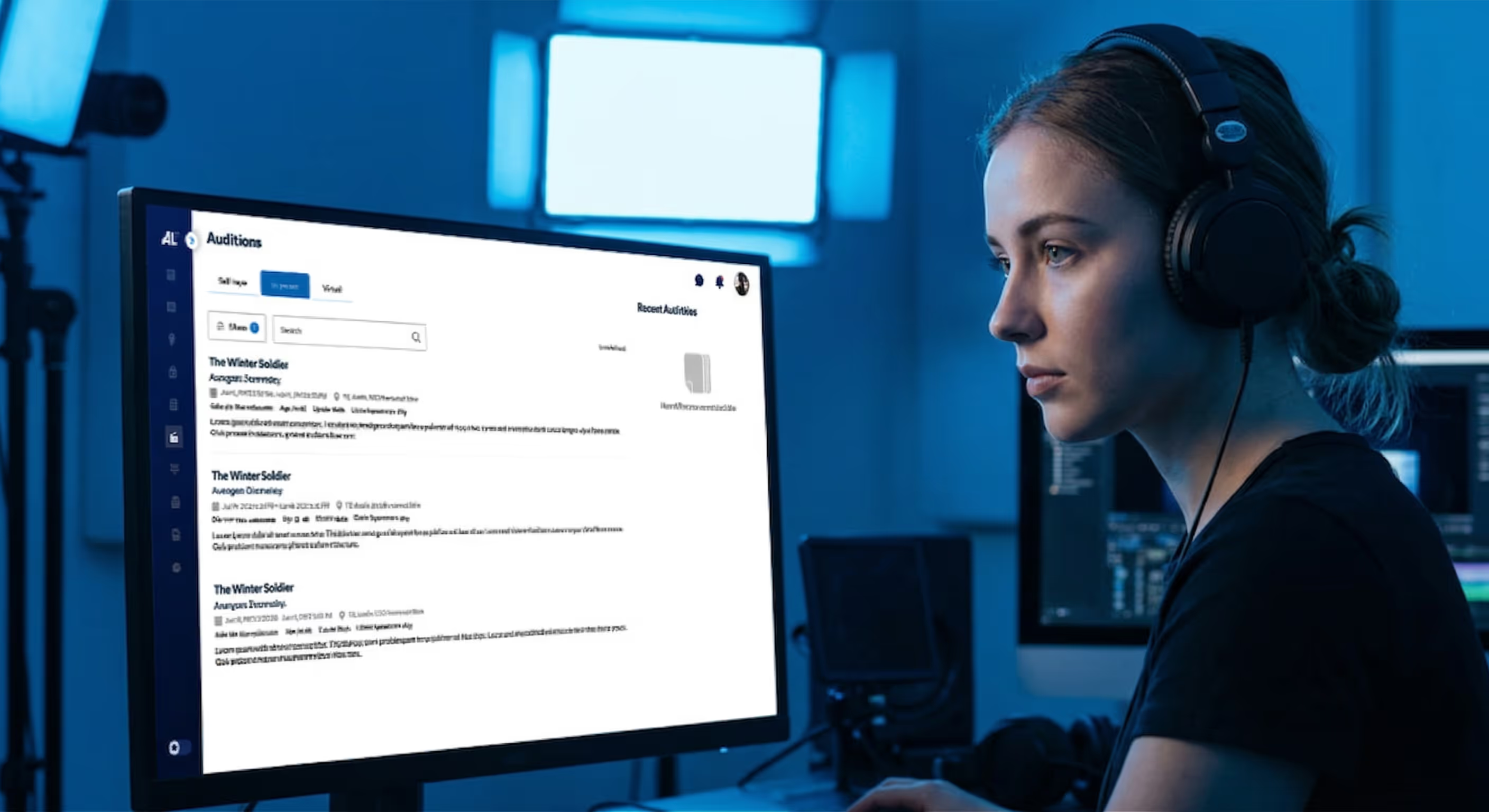
Today's casting process involves countless audition submissions, self-tapes, scripts, notes, and approvals moving between different platforms. When information is scattered, valuable time is spent tracking files instead of reviewing performances. Modern casting team dashboards are designed to bring everything together in one secure workspace, making it easier for casting professionals to review talent efficiently and helping actors move through the audition process with fewer delays. Better organization means more time spent evaluating performances and discovering talent that stands out.
Where Automation Actually Fits in Casting Operations
Technology should support the casting process, not replace the people behind it. Workflow automation helps organize approvals, reminders, scheduling, and file management so casting teams spend less time on administrative tasks and more time reviewing performances. This creates a smoother experience for everyone involved while allowing actors to focus on rehearsal, preparation, and delivering auditions that can impress casting agents.
How Casting Infrastructure Keeps Everyone on the Same Page
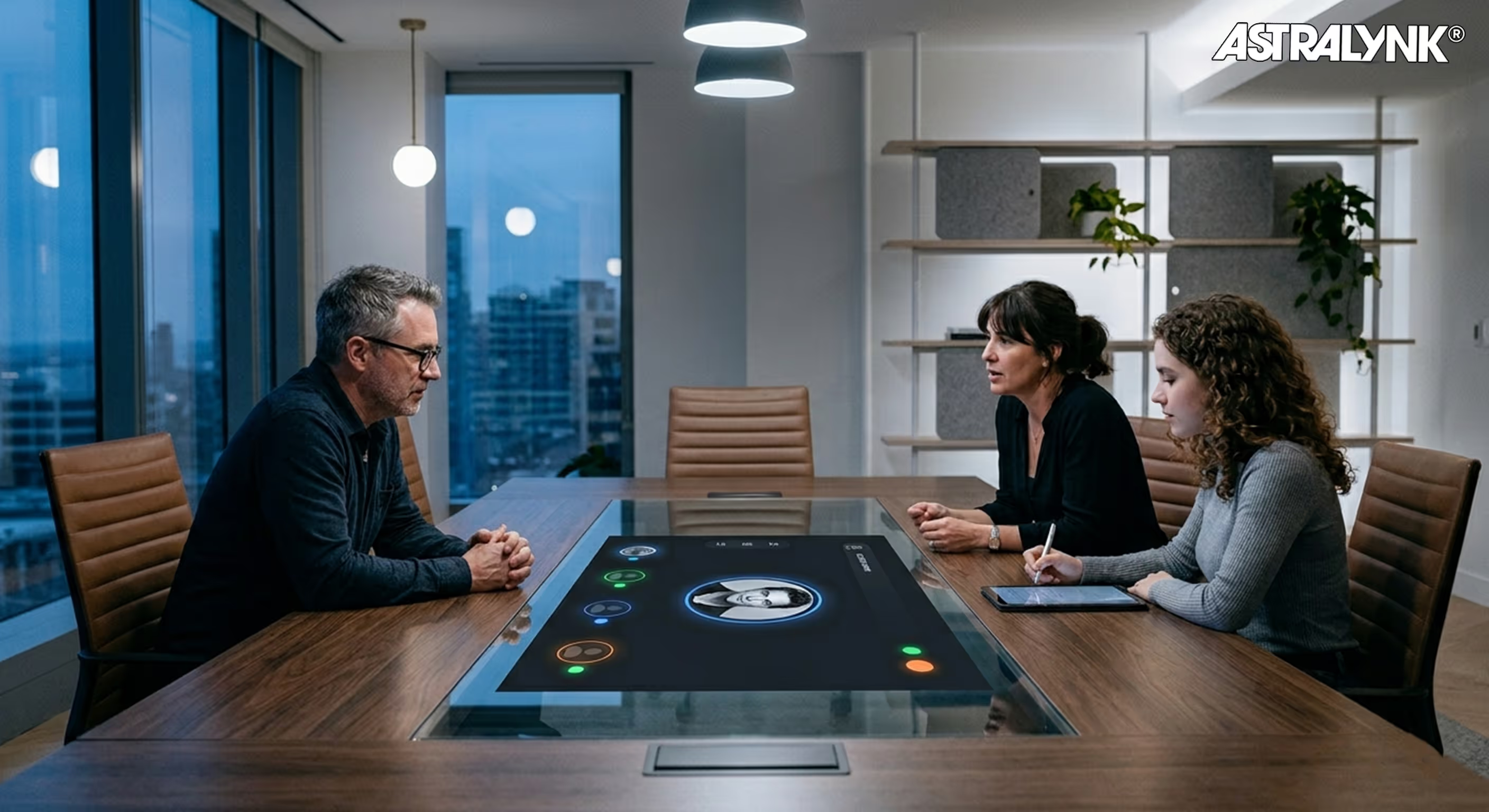
Successful casting depends on clear communication and shared visibility throughout every stage of production. When casting teams can access the same audition materials, notes, and status updates, decisions become faster and more consistent. Organized systems reduce confusion and help productions stay on schedule, while giving actors confidence that their submissions are reviewed within a professional and well-managed process.
When Clear Answers Are Needed Quickly in Casting
Fast-moving productions leave little room for delays. Casting teams need immediate visibility into which auditions have been reviewed, which performers are moving forward, and what actions still need attention. Casting team dashboards simplify this process by keeping progress easy to track in one place, helping productions move efficiently while ensuring actors have the best opportunity to get their work seen and considered for the role.
Where AstraLynk Fits Within Modern Casting Workflows
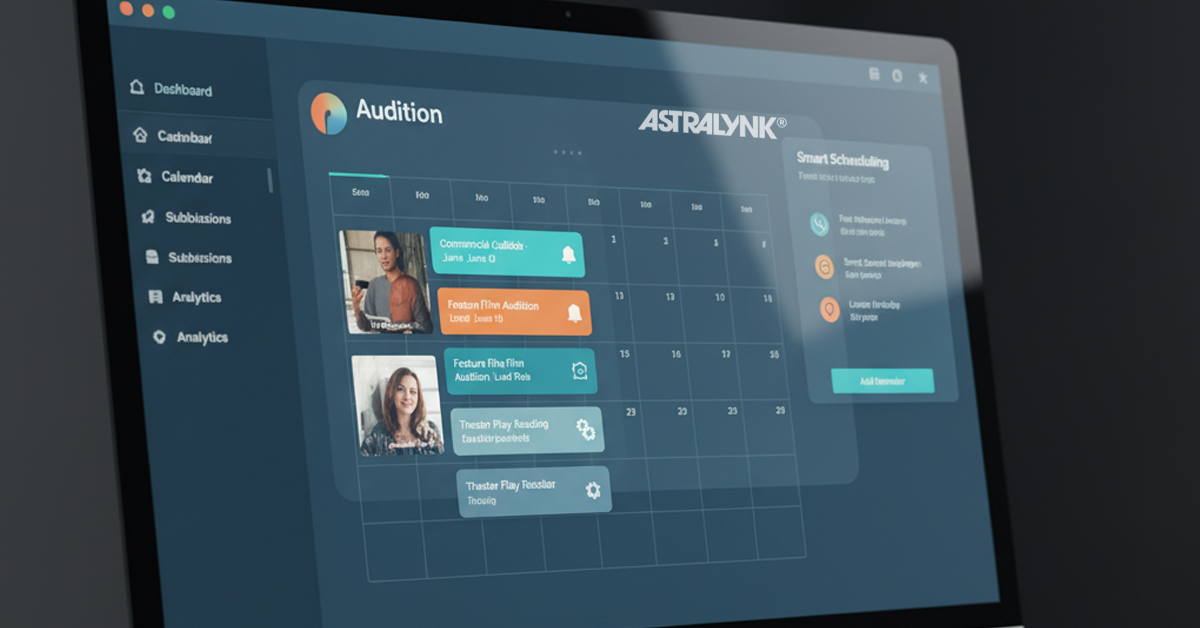
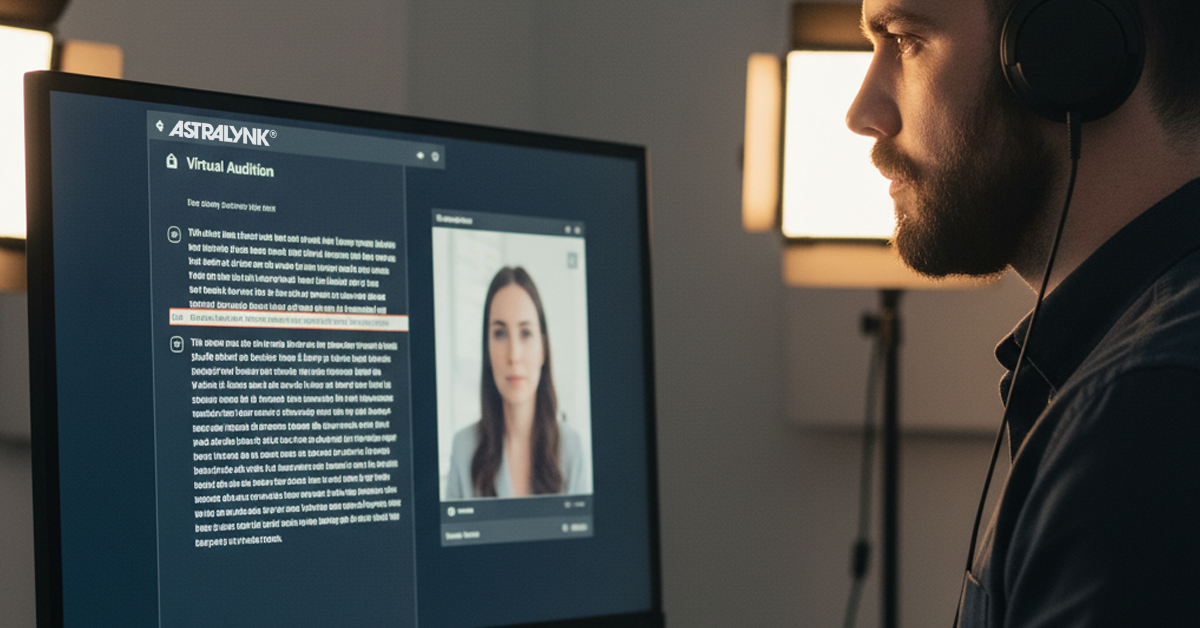
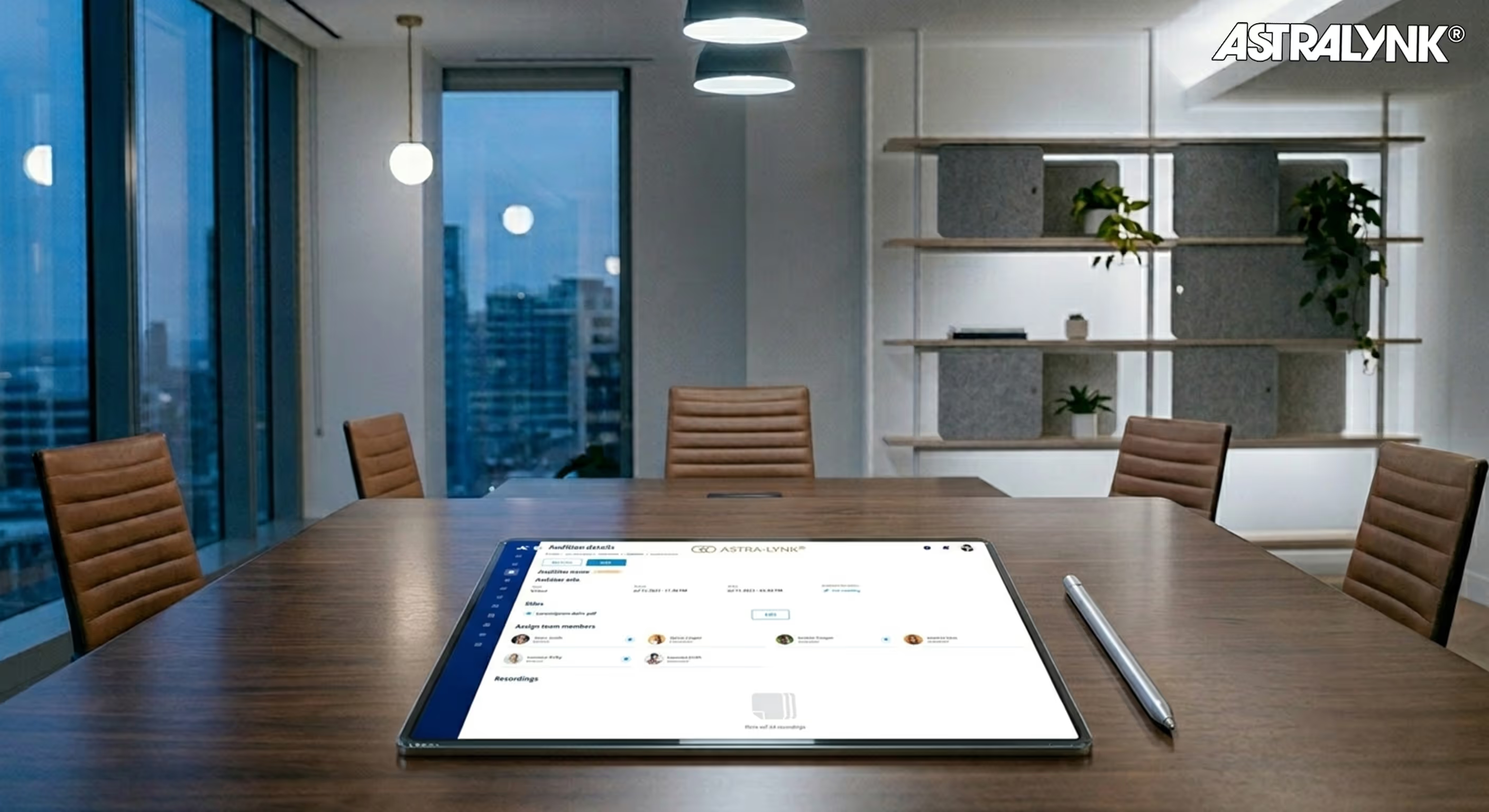
AstraLynk brings casting workflows together in one secure platform designed for today's production teams. Its casting team dashboard helps organize submissions, approvals, communication, and review materials, while casting assistant tools and workflow automation reduce administrative work behind the scenes. By streamlining coordination, AstraLynk allows casting professionals to focus on finding the right talent and gives actors a more organized path to ace the audition, get noticed, and book the gig.
Conclusion
The evolution of casting infrastructure reflects a broader shift in how casting work actually happens. As volume increases and more systems are layered into the process, fragmentation has become harder to manage, consuming time, increasing risk, and weakening coordination across teams. Casting dashboards, casting assistant tools, and workflow automation are emerging not to change how decisions are made, but to support how the work moves. By bringing structure to information, access, and process flow, they help casting teams operate with greater clarity and continuity in an environment that no longer supports patchwork systems.




.avif)

.avif)

.png)